In many African communities, the simple act of using a clean toilet can determine whether a child stays in school or drops out. For girls, especially those between the ages of 10 and 18, inadequate WASH (Water, Sanitation, and Hygiene) facilities create challenges that go far beyond discomfort. These challenges affect their confidence, safety, dignity, and academic performance.
Safe, gender-sensitive WASH facilities are not just infrastructure—they are an investment in girls' futures.
Yet, across sub-Saharan Africa, many schools lack basic WASH necessities such as:
Clean, functional toilets
Private changing rooms
Running water
Handwashing stations
Proper waste disposal
Menstrual hygiene-friendly environments
This article explores the critical role of WASH facilities in girls’ education, how inadequate sanitation affects long-term outcomes, and the work RedHelp Africa is doing to ensure every girl learns in a safe, dignified environment.
1. What Are WASH Facilities—and Why Do They Matter?
WASH stands for:
Water
Sanitation
Hygiene
These three pillars form the foundation of health and human dignity.
1.1. Components of Safe WASH Facilities in Schools
A fully functioning, girl-friendly WASH system includes:
Clean toilets that lock from inside
Separate sanitation for boys and girls
Access to clean water
Handwashing stations with soap
Menstrual hygiene disposal units
Accessible facilities for students with disabilities
Regular cleaning and maintenance
Without these essentials, schools cannot provide a safe or supportive learning environment.
2. The Everyday Struggles Girls Face in Schools Without Proper WASH Facilities
For many African schoolgirls, managing menstruation in school becomes a source of anxiety and embarrassment. In some communities, girls skip school for three to seven days during their period. Over time, this increases absenteeism, affects academic performance, and can lead to dropping out entirely.
2.1. Lack of Privacy
Many school toilets:
have broken doors
offer no separation by gender
lack proper roofing
expose girls to embarrassment or harassment
For girls managing periods, privacy is essential.
2.2. No Water for Washing
Without water:
girls cannot clean themselves
hygiene becomes difficult
infections become more common
Water scarcity leads to poor menstrual hygiene practices.
2.3. Unsafe or Unclean Toilets
Many toilets are:
unsanitary
full of foul odor
poorly maintained
infested with insects
Naturally, girls avoid using them, especially during menstruation.
2.4. Lack of Disposal Options
Without proper disposal bins:
girls hide stained materials
wrap used pads in paper
or dispose of them in unsafe ways
This leads to shame and stress.
2.5. Fear and Stigma
When girls are teased by boys or judged by teachers, school becomes an unsafe emotional space.
These challenges create an invisible weight on African girls—one that affects their daily learning experience.
3. The Impact of WASH on School Attendance
Research across Africa shows a direct link between sanitation and attendance, especially for girls.
3.1. Improved Facilities = Improved Attendance
When schools update or build safe sanitation:
absenteeism drops
girls attend more regularly
participation increases
girls remain engaged throughout the day
3.2. The Menstruation Factor
Girls who cannot manage their periods hygienically:
miss classes
fall behind in subjects
become discouraged
risk dropping out
WASH directly influences menstrual hygiene management (MHM).
4. Health Risks Caused by Poor WASH Conditions
Poor sanitation exposes girls to various health risks.
4.1. Urinary Tract Infections (UTIs)
Girls often avoid drinking water or using the bathroom due to poor conditions, increasing UTI risks.
4.2. Reproductive Tract Infections (RTIs)
Using unclean cloths or not being able to wash during menstruation increases infections.
4.3. Gastrointestinal Diseases
Lack of handwashing contributes to:
cholera
diarrhea
typhoid
These illnesses commonly lead to absence from school.
4.4. Mental Health Stress
Worrying about stains, odors, leaking, or teasing causes:
anxiety
low self-esteem
lack of concentration
Health and education are deeply interconnected.
5. Why WASH Is a Gender Issue
Girls experience unique challenges that boys do not.
5.1. Menstrual Hygiene Management
Access to menstrual-friendly WASH facilities is essential for:
safety
privacy
comfort
dignity
5.2. Safety and Security
Girls feel unsafe using toilets that:
lack doors
are isolated
are shared with boys
have no locks
Gender-sensitive designs protect girls from harassment.
5.3. Cultural and Social Expectations
Stigma around menstruation amplifies the need for supportive school environments.
6. The Role of Climate-Resilient WASH Facilities
Climate change increases water scarcity and floods, which damage school infrastructure. RedHelp Africa promotes climate-resilient WASH solutions, including:
elevated toilets for flood-prone areas
water-harvesting systems
solar-powered water pumps
durable construction materials
These innovations ensure sustainability and long-term use.
7. RedHelp Africa’s WASH Initiative: What We Do
RedHelp Africa provides support to schools and communities through:
7.1. Building and Rehabilitating Gender-Sensitive Toilets
We focus on:
privacy
durability
accessibility
proper waste disposal
7.2. Installing Handwashing Stations
Stations are equipped with water and soap to promote hygiene.
7.3. Supporting Water Access in Schools
Through:
boreholes
water storage solutions
community water systems
7.4. Menstrual Hygiene-Friendly Environments
We ensure facilities include:
disposal bins
cleaning supplies
private changing rooms
7.5. Hygiene Education for Students
WASH is not complete without knowledge:
proper handwashing
water conservation
toilet maintenance
menstrual hygiene awareness
8. The Impact of RedHelp Africa’s WASH Programs: Field Stories
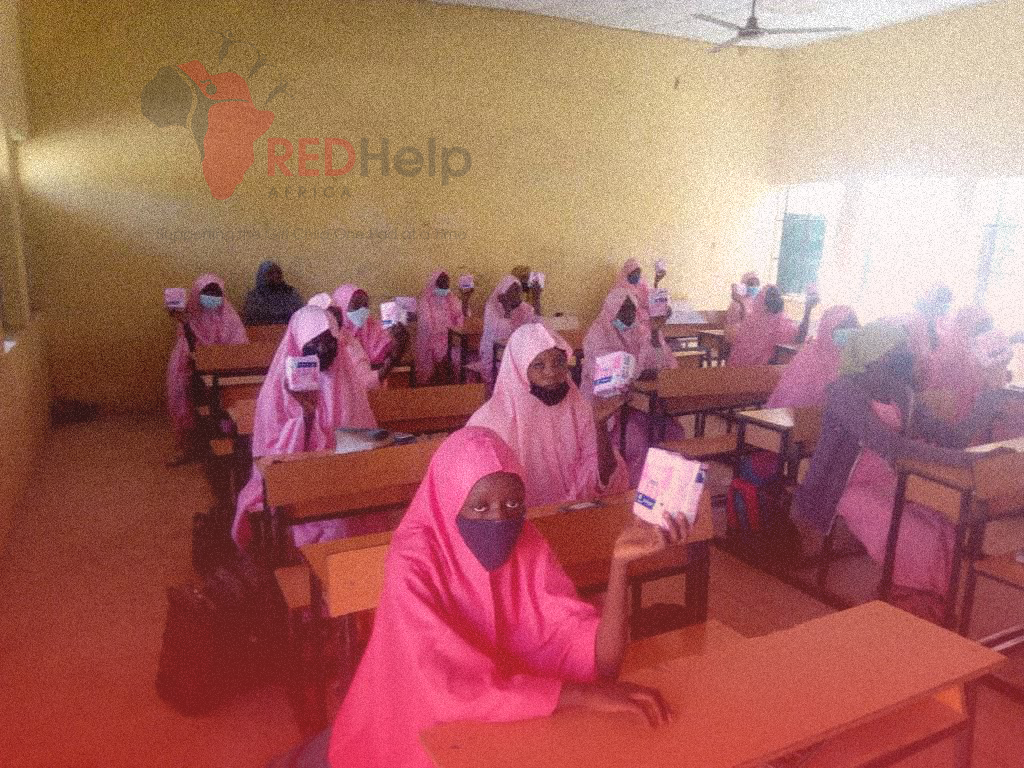
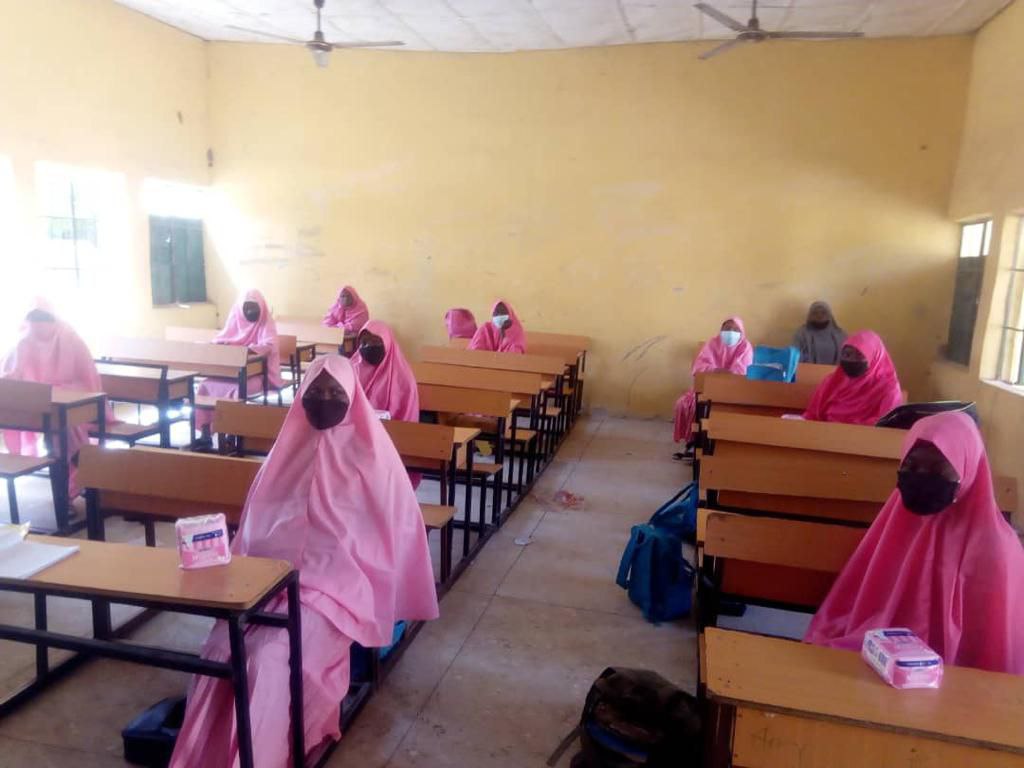
8.1. In Yobe State
Students reported feeling more confident attending school after improvements in sanitation spaces. Teachers noticed higher participation from girls.
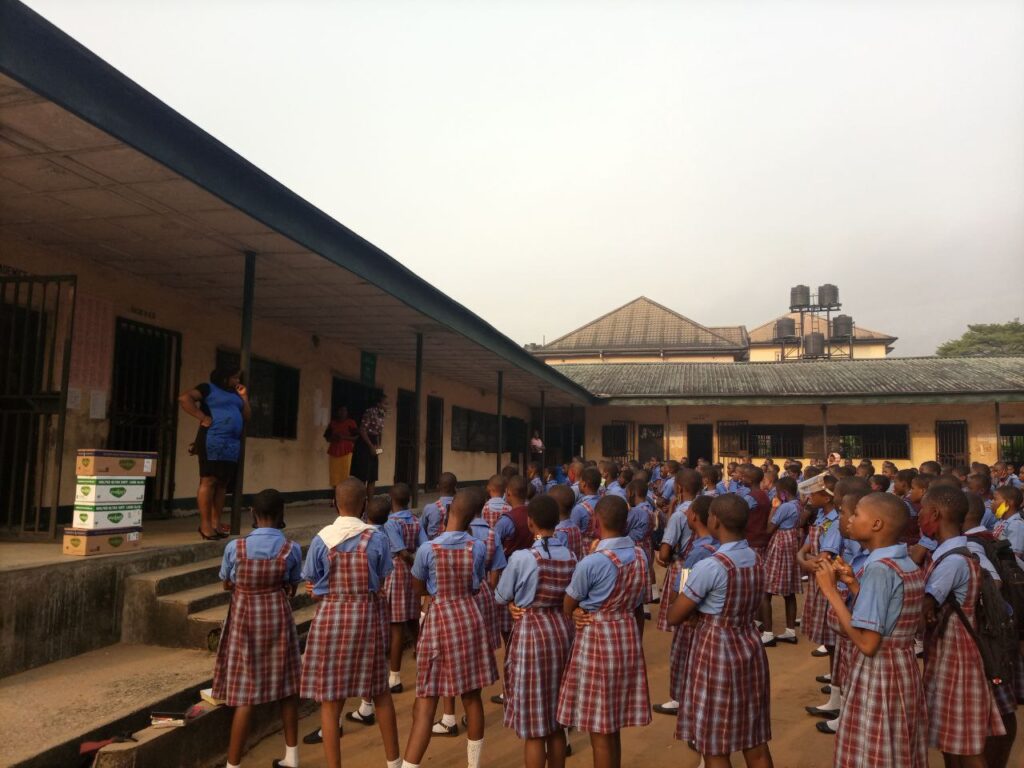
8.2. In Rivers State
Girls shared that safer toilets helped them feel less anxious during menstruation, improving class focus.
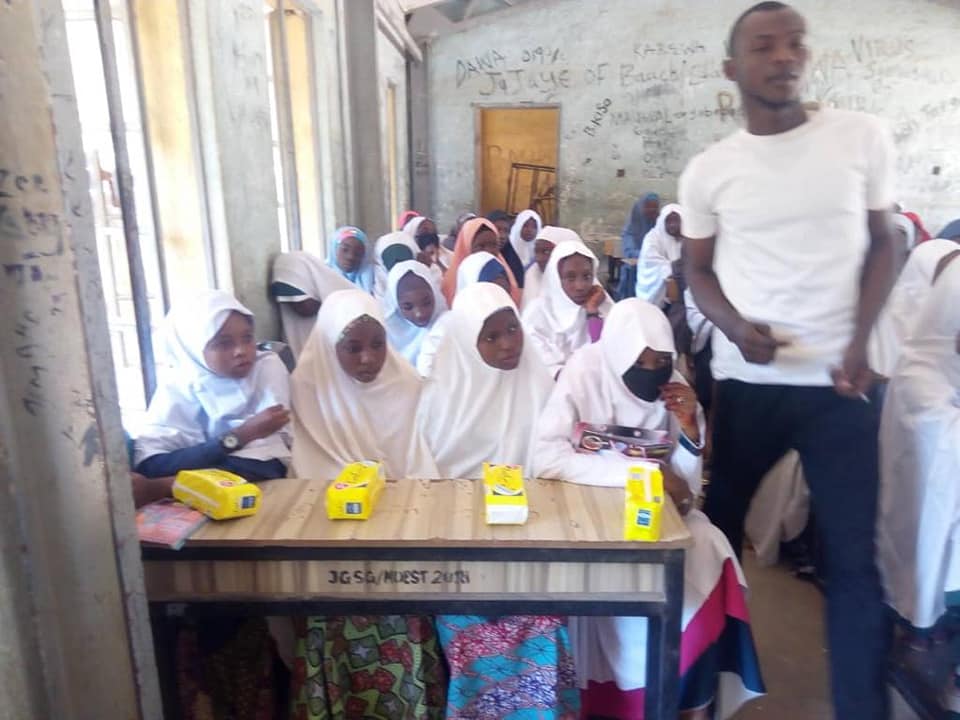
8.3. In Bauchi State
RedHelp Africa’s program reduced absenteeism significantly, especially during exam periods.
These small improvements created meaningful change for hundreds of girls.
9. How WASH Supports National Development
Investing in WASH results in:
healthier children
reduced disease outbreaks
improved educational outcomes
stronger economic participation from women
increased community resilience
When girls stay in school, entire communities benefit.
10. What Governments and Partners Can Do
To accelerate progress, we recommend:
prioritizing school sanitation budgets
eliminating taxes on sanitary products
partnering with NGOs
funding sustainable water systems
training teachers on MHM and hygiene
Partnerships amplify impact.
11. How Individuals Can Support WASH Initiatives
Anyone can play a role:
Donate to build sanitation units
Sponsor hygiene materials
Volunteer with RedHelp Africa
Advocate for WASH improvements in local schools
Spread awareness online
Small actions contribute to big change.
Conclusion
Safe WASH facilities are essential for building healthy, confident, and educated communities. They ensure that every girl—regardless of where she lives—can attend school with dignity and peace of mind.
At RedHelp Africa, we are committed to creating gender-sensitive, sustainable WASH environments that protect girls and help them thrive. Through collaboration, innovation, and community engagement, we are transforming schools across Africa one sanitation facility at a time.