Across Africa, millions of girls face an invisible crisis—period poverty. This crisis affects not only their physical wellbeing but also their dignity, education, and future opportunities. But there is hope. Through strategic, community-based outreach programs, organizations like RedHelp Africa are transforming the narrative for thousands of girls across the continent.
Period poverty goes beyond the lack of menstrual products. It encompasses:
Limited access to sanitary pads
Lack of clean and safe toilets
Insufficient menstrual health education
Stigma and discrimination
Fear, shame, and misinformation
Poor WASH infrastructure
Economic barriers
This article explores how systematic outreach, community involvement, and targeted interventions are breaking these barriers and restoring dignity to African girls—one pad at a time.
1. Understanding Period Poverty in Africa
Period poverty is a challenge influenced by cultural stigma, economic inequality, and infrastructural gaps.
1.1. The Economic Struggle
For many low-income families, sanitary pads are unaffordable. Families often prioritize food and basic survival over menstrual products. This forces girls to resort to unsafe alternatives such as:
rags
toilet paper
old cloth
leaves
harmful DIY methods
These practices increase risks of infection and discomfort.
1.2. The Cultural Silence
In many communities, menstruation is treated as a taboo. Girls grow up:
afraid to ask questions
unable to express discomfort
completely unprepared for their first period
This silence contributes to shame, fear, and misinformation.
1.3. The Educational Impact
Period poverty remains a leading cause of school absenteeism. Girls often miss 3–7 days per month, causing:
poor academic performance
disengagement
shame-based dropout
Safe learning environments become harder to access without menstrual support.
2. Why Community-Based Outreach Is the Key to Ending Period Poverty
Top-down solutions alone cannot create lasting change. Community outreach ensures:
cultural understanding
grassroots engagement
local leadership involvement
sustainability
RedHelp Africa’s outreach model builds trust and tailors interventions to the realities of each community.
3. RedHelp Africa’s Outreach Model: A Community-Driven Approach
Our outreach model is built on three core pillars:
3.1. Direct Pad Distribution Programs
We distribute:
sanitary pads
reusable pads
hygiene kits
soap
discreet carrying pouches
These kits are designed for dignity, comfort, and practical use.
Why Direct Distribution Matters
It provides immediate relief while:
boosting school attendance
reducing anxiety
helping girls stay active and confident
addressing emergencies in underserved communities
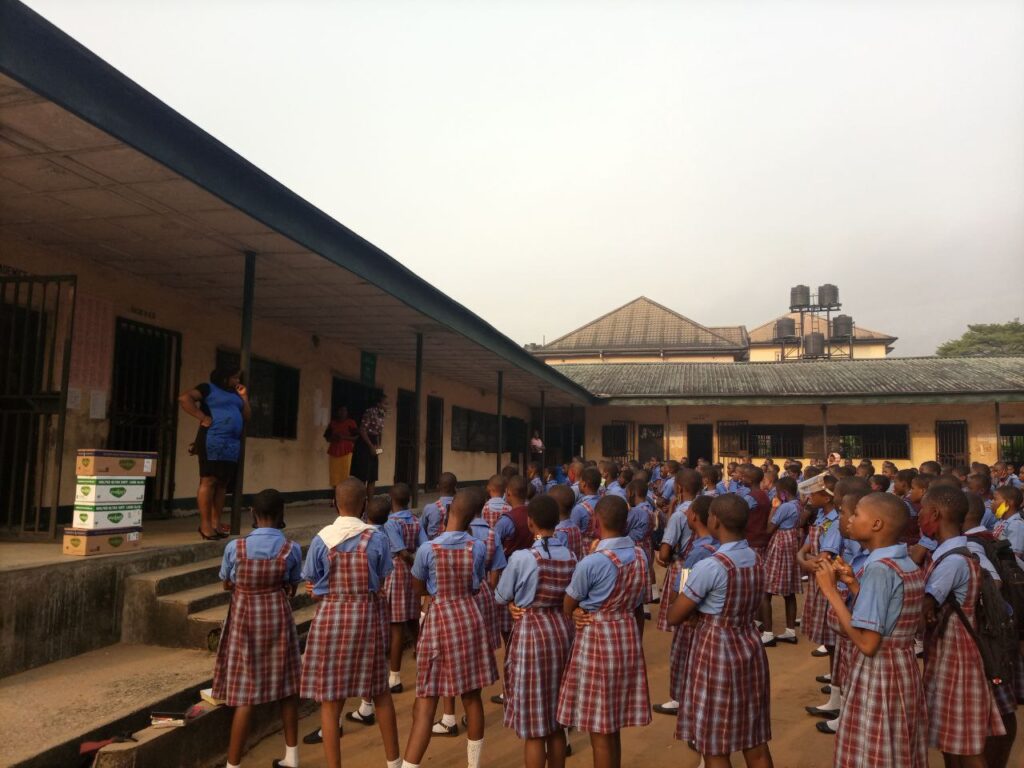
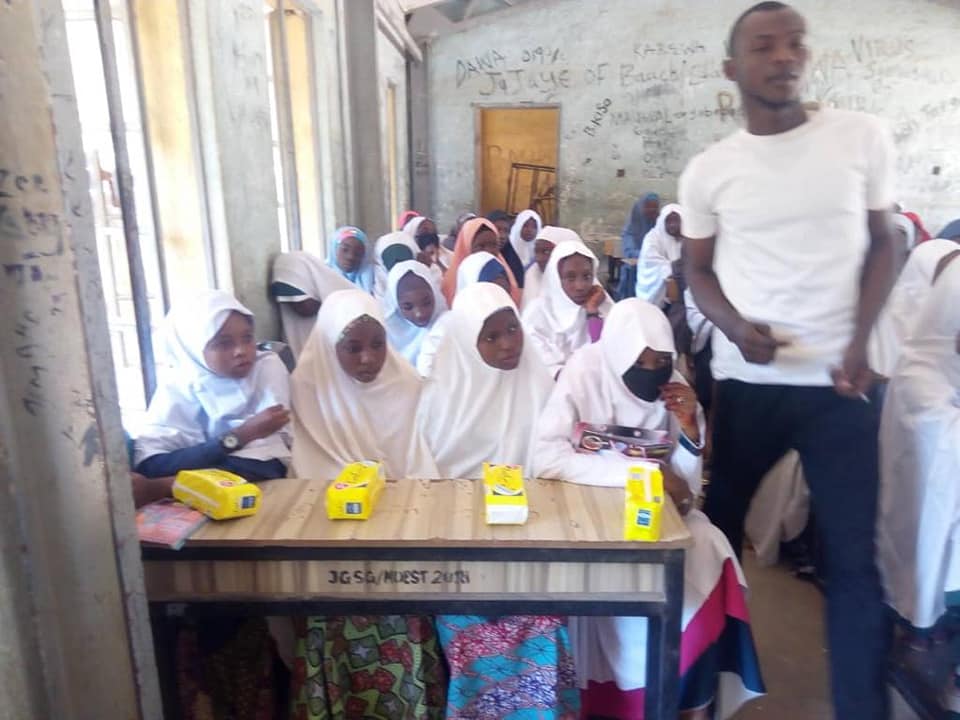
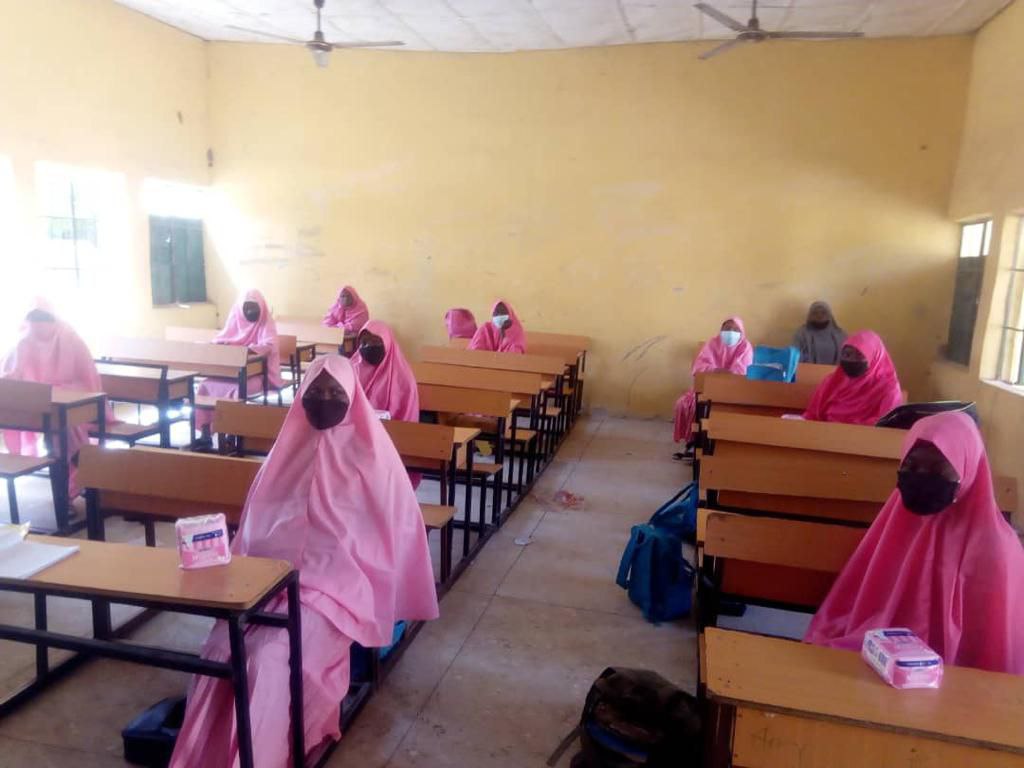
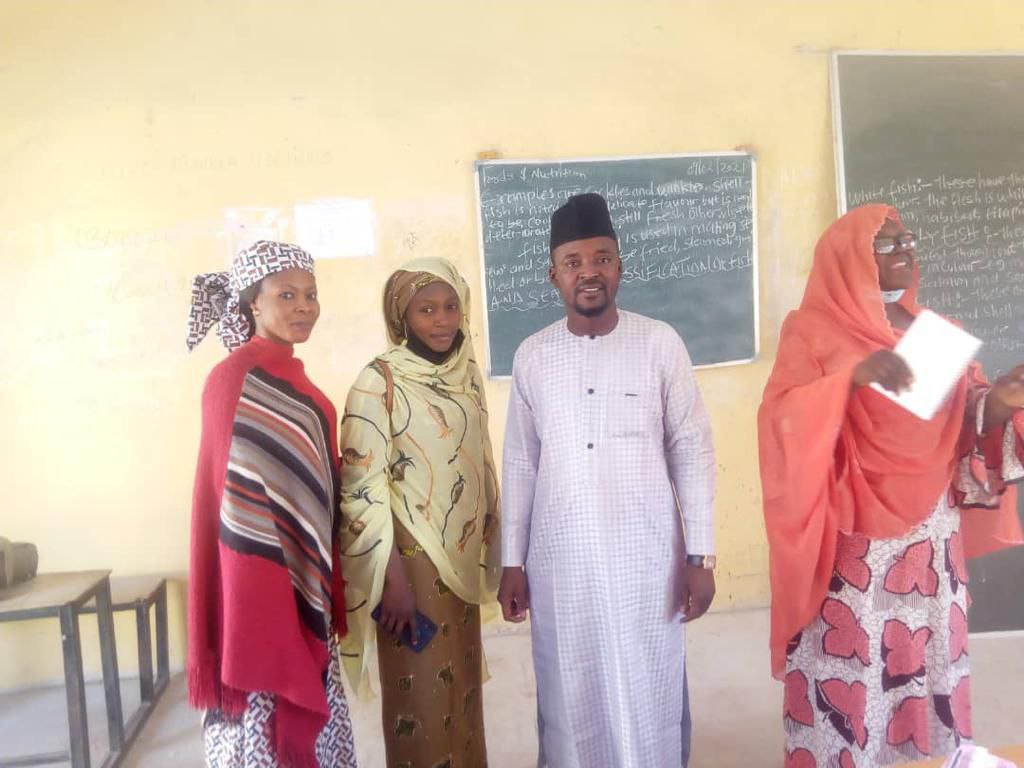
In 2024–2025 alone, RedHelp Africa reached thousands of girls through RedPush missions across:
Rivers State
Bauchi State
Yobe
Abia
Kano
FCT
Each mission reveals the same truth: Without pads, girls suffer silently.
3.2. Menstrual Hygiene Management (MHM) Education
Education is the heart of transformation.
Our sessions teach girls:
what menstruation really is
how the female reproductive system works
how to use and dispose of pads safely
how to prevent infections
how to track their cycles
how to handle emotional and physical symptoms
where to find support
We also educate:
boys
teachers
mothers
community leaders
This builds an informed environment that protects girls rather than shames them.
3.3. Improving WASH Facilities in Schools
Pads alone are not enough. Without proper WASH infrastructure, girls still feel unsafe.
Our WASH support includes:
building or upgrading toilets
installing water systems
providing sanitation supplies
ensuring privacy
adding disposal bins and washing points
WASH interventions ensure girls can manage periods with dignity.
4. Field Impact: Real Stories From RedHelp Africa Outreach
4.1. Yobe State – A Community Transformed
In Nguru, girls expressed fear and shame around menstruation. After our outreach:
absenteeism reduced
girls were more open to asking questions
teachers reported improved participation
One student shared: “For the first time, I am not afraid of my period.”
4.2. Bauchi State – Restoring Confidence
In Azare, many girls had never used a sanitary pad before our visit. With training and resources:
girls learned safe hygiene practices
confidence increased
teachers saw improved attendance
Local leaders welcomed the initiative as a life-changing intervention.
4.3. Rivers State – Overcoming Period Stigma
In Port Harcourt, cultural myths overwhelmed menstrual understanding. After RedHelp’s workshops:
parents joined the conversation
girls advocated for better sanitation
the community promised long-term support
These stories highlight that outreach brings both emotional and physical relief.
5. The Psychological Benefits of Menstrual Support
Period poverty affects mental health as much as physical wellbeing.
5.1. Restored Dignity
Girls feel:
valued
respected
confident
5.2. Reduced Anxiety
Access to pads eliminates fear of:
stains
odor
public embarrassment
5.3. Improved School Performance
Girls can focus on learning rather than physical discomfort or shame.
5.4. Higher Self-Esteem
Knowledge empowers girls to:
understand their bodies
make informed choices
stand tall among peers
6. How Outreach Creates Lasting Community Transformation
Outreach doesn’t stop at pad distribution. It triggers long-term change:
6.1. Breaking Cultural Taboos
Communities begin discussing menstruation openly.
6.2. Encouraging Gender Equality
Boys learn to support, not shame, menstruating girls.
6.3. Strengthening School Systems
Teachers become advocates for menstrual health and WASH.
6.4. Empowering Mothers
Women gain knowledge to support daughters confidently.
6.5. Improving Public Health
Proper hygiene reduces infections and health problems.
7. Challenges Facing Outreach Programs in Africa
Despite progress, outreach missions face obstacles:
7.1. Rural Accessibility
Remote communities lack infrastructure.
7.2. Climate Challenges
Floods, heat, and water shortages affect logistics.
7.3. Funding Limitations
Donations are essential for scaling.
7.4. Deep-rooted Cultural Myths
Many communities resist discussing menstruation.
RedHelp Africa overcomes these challenges with volunteers, partnerships, and consistent presence.
8. How We Ensure Sustainability in Our Outreach Programs
RedHelp Africa avoids short-term fixes. Sustainability is a priority.
8.1. Training Local Volunteers
We equip young women to continue menstrual education.
8.2. Setting Up School MHM Clubs
Girls lead discussions and support groups.
8.3. Providing Reusable Pads
Durable options reduce economic pressure.
8.4. Community Partnership Models
Local leaders ensure continuity and accountability.
9. How You Can Support the Fight Against Period Poverty
Anyone can play a part:
Donate to supply hygiene kits
Sponsor a school or community
Support WASH construction
Share awareness online
Partner through CSR projects
Volunteer in outreach missions
Every contribution protects a girl from fear, shame, and lost opportunities.
Conclusion
Ending period poverty requires more than goodwill—it demands intentional outreach, grassroots engagement, education, and improved hygiene infrastructure. RedHelp Africa’s impact demonstrates that when communities are informed, supported, and equipped, girls thrive.
Through sustained outreach missions across Nigeria and other African regions, we are restoring dignity, promoting equality, and empowering girls to take control of their futures.
Period poverty can end. One community at a time. One girl at a time. One pad at a time.