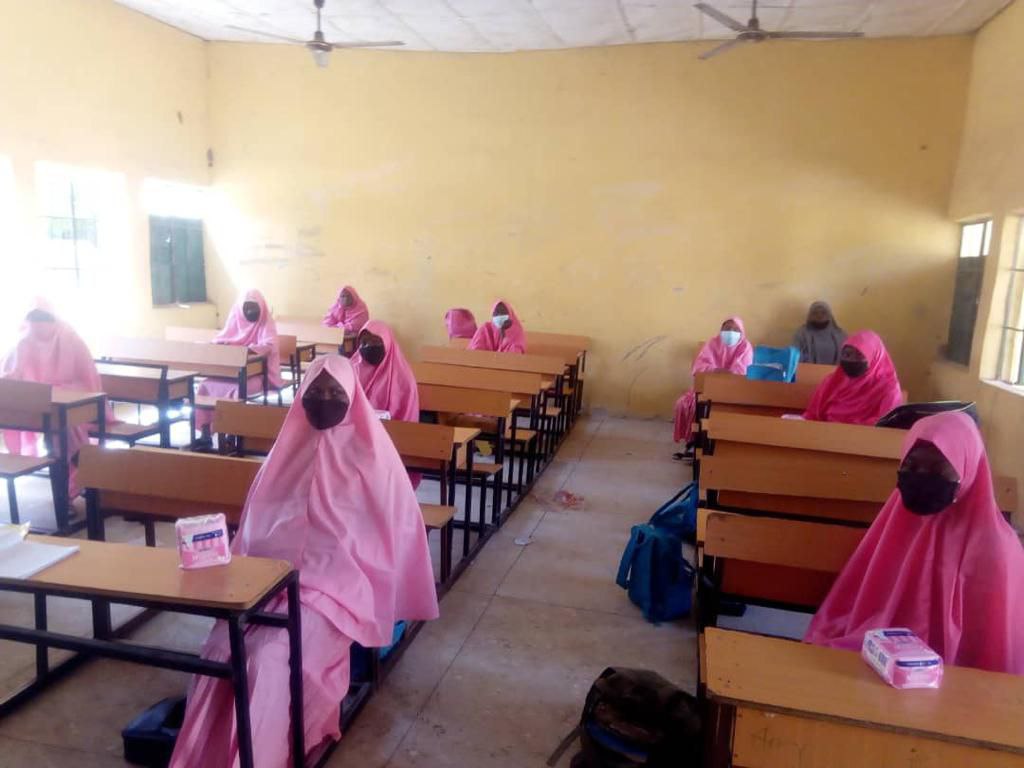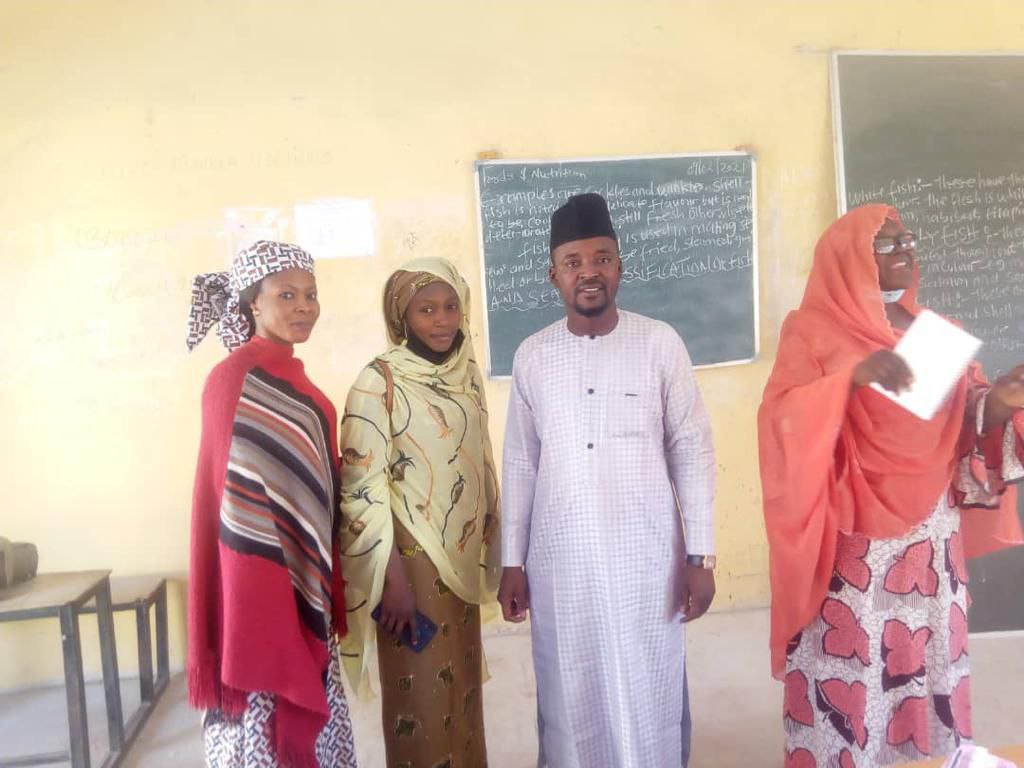
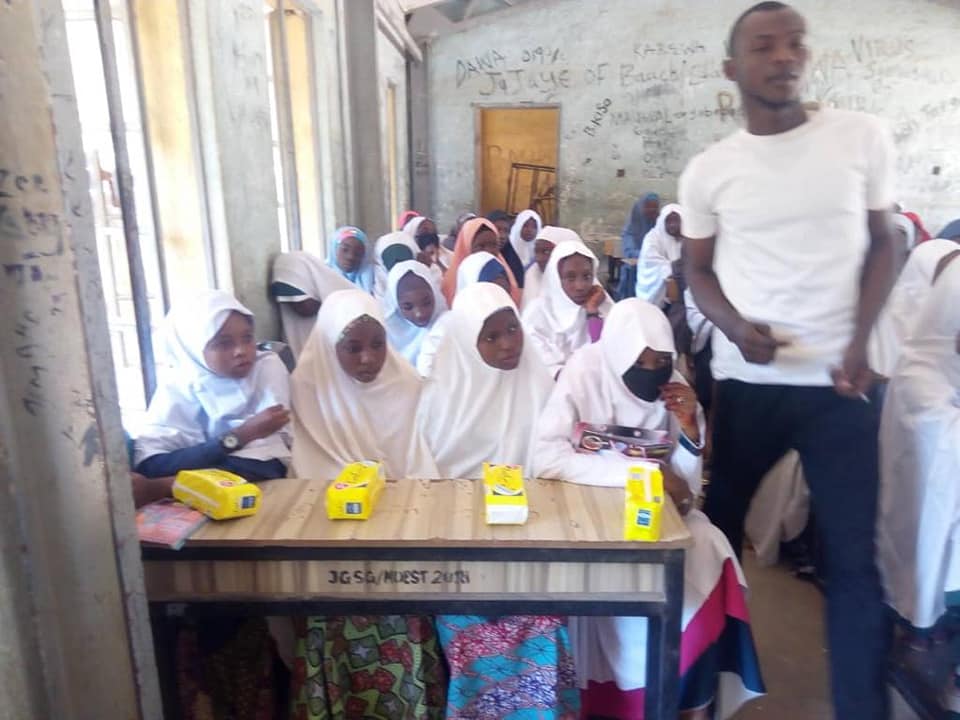
For millions of young Africans, this shift creates both opportunity and danger. Without the ability to critically evaluate online content, many young people are vulnerable to misleading health claims, harmful myths, unsafe practices, or wrong medical advice circulating on social media.
This is where digital health literacy becomes critical.
At RedHelp Africa, we understand that empowering youth with digital health literacy is essential for improving health outcomes, increasing confidence, and protecting young people—especially girls—from misinformation that directly affects their wellbeing. Through our programs, we equip youth with the skills they need to navigate online health information safely, responsibly, and intelligently.
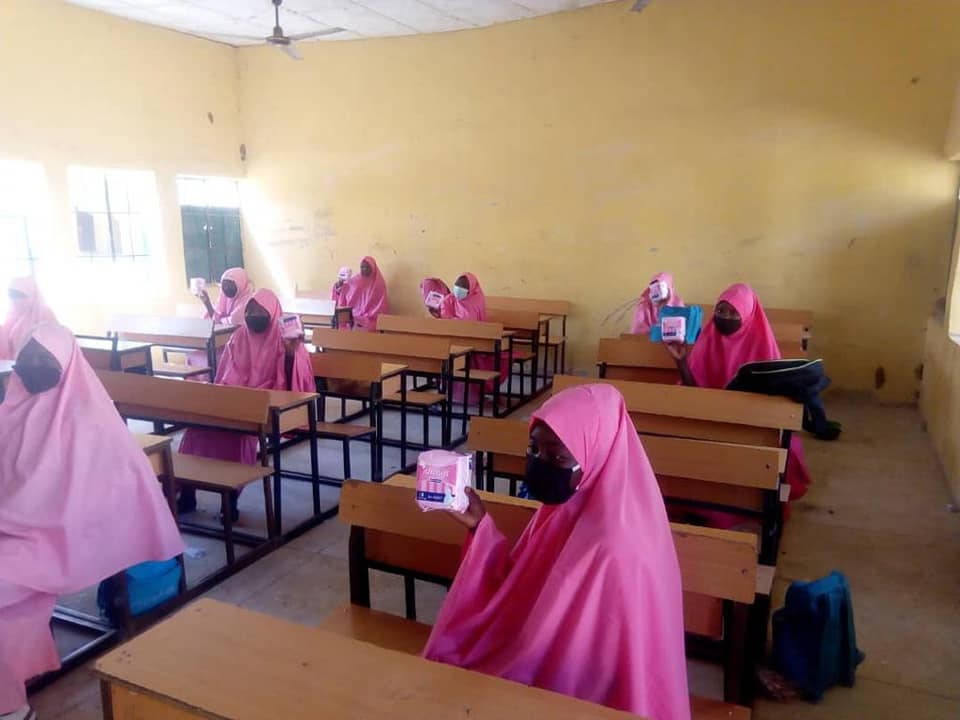
why it matters
In this article, we break down what digital health literacy is, why it matters, and how it can transform the future of Africa’s young population.
1. What Is Digital Health Literacy?
Digital health literacy refers to the ability to find, understand, evaluate, and apply online health information to make safe and informed decisions. It’s not just about knowing how to use the internet—it’s about understanding how to interpret the information found there.
1.1. Key Components of Digital Health Literacy
Digital health literacy teaches youth to:
Identify credible health sources
Recognize misinformation and fake content
Evaluate the trustworthiness of online health claims
Use digital tools safely (health apps, research websites, emergency info)
Protect privacy online
Ask informed questions when seeking help
In an era of misinformation, these skills protect young people from making decisions that harm their physical or mental health.
2. Why Digital Health Literacy Matters for African Youth
Digital access in Africa is growing at an unprecedented rate. According to recent studies:
Over 70% of young Africans use mobile phones
Social media is the leading place where youth seek health information
Google searches related to health topics continue to rise yearly
Despite this progress, many young people lack guidance on how to verify the content they find. This gap has real consequences.
2.1. Misinformation Is a Silent Threat
Online misinformation can lead to:
Unsafe health practices
Misunderstanding of puberty and menstruation
Body shaming
Misleading sexual health advice
Harmful myths and stereotypes
Fear and confusion
For girls, misinformation about menstruation is particularly harmful, reinforcing stigma and increasing anxiety.
2.2. Digital Health Literacy Builds Confidence
When youth understand how to access accurate health information:
They feel in control of their bodies
They make informed choices
They become more confident expressing health concerns
They avoid harmful myths
They identify when to seek professional help
This confidence is especially crucial for adolescent girls navigating puberty.
2.3. It Supports School Success
Students with proper digital literacy:
Complete assignments more accurately
Study more effectively
Rely less on misinformation shared among peers
Use educational resources responsibly
Digital literacy bridges the gap between school knowledge and independent learning.
3. The Intersection of Menstrual Health and Digital Literacy
In many African communities, menstruation remains a taboo subject. Girls often receive limited information or rely on peers, leading to confusion and fear. Unfortunately, the internet becomes their fallback—yet not all online content is safe or accurate.
By teaching digital health literacy, RedHelp Africa ensures girls learn:
Correct menstrual hygiene practices
How to differentiate facts from myths
Where to find medically verified information
How to safely use apps that track cycles
This empowers girls to manage menstruation with dignity and confidence.
4. Challenges African Youth Face in Accessing Accurate Health Information
While digital access has improved, several challenges continue to affect young people:
4.1. Limited Awareness of Trusted Sources
Youth often rely on:
Viral TikTok content
WhatsApp messages
Peer recommendations
Anonymous blogs
Unverified influencers
Without guidance, they struggle to identify what is credible.
4.2. Language Barriers
Much reliable health information is published in English, leaving out youth who primarily speak local languages.
4.3. Cultural Taboos
Discussions around menstruation, sexual health, and mental wellbeing are often restricted, forcing youth to search online secretly.
4.4. Privacy Concerns
Girls worry about:
Search history
Family phone monitoring
Judgment from peers or adults
Teaching safe digital practices helps protect them.
5. RedHelp Africa’s Digital Health Literacy Program
Our mission goes beyond distributing sanitary pads or building WASH facilities—we are dedicated to educating young people about how to navigate digital spaces safely.
RedHelp Africa’s digital health literacy program includes:
5.1. School-Based Workshops
We host interactive classroom sessions where youth learn:
How to spot fake health information
How to verify government or health institution sources
How to use health apps
Online safety and privacy protection
5.2. Community Training Sessions
We partner with:
Teachers
Parents
Community leaders
to promote responsible digital use in rural and urban communities.
5.3. Peer Learning Programs
We train student volunteers to serve as digital ambassadors in their schools.
5.4. Digital Safety for Girls Initiative
This includes:
Private online support spaces
Cycle tracking tools
Trusted information channels
Learning materials in simplified language
5.5. Mobile-Friendly Learning Materials
Our teaching content is optimized for:
Low data usage
Small screens
Users with limited digital experience
This ensures inclusivity even in underserved regions.
6. How Digital Health Literacy Changes Lives: Field Stories
6.1. Student Empowerment in Rivers State
During RedPush outreach in Port Harcourt, several girls shared how misleading online advice had confused them about menstrual hygiene. After our digital literacy session, they felt more confident identifying real medical advice and asking questions without fear.
6.2. Transformational Learning in Yobe
In Nguru, young boys attended our session and learned the importance of respecting girls’ privacy online. They became advocates against digital bullying and misinformation in school.
6.3. A Teacher’s Testimony from Bauchi
A teacher in Azare expressed how providing youth with digital literacy tools significantly improved classroom engagement and reduced health-related absenteeism.
These stories highlight the value of digital literacy beyond simple knowledge—it promotes dignity, respect, and empowerment.
7. Digital Literacy and WASH: A Powerful Combination
WASH (Water, Sanitation, and Hygiene) programs and digital health literacy complement each other. Youth who understand safe hygiene practices online develop healthier habits in real life.
For example:
Girls learn how to use sanitary products correctly
Students understand the importance of handwashing
Schools adopt better sanitation management
Communities become more health aware
This synergy helps build healthier societies.
8. How Parents and Communities Benefit
Digital literacy helps parents:
Understand youth challenges
Access trusted medical resources
Support children through puberty and mental health
Improve family communication
Communities with digital-savvy youth experience:
Better health decision-making
Reduced spread of misinformation
Higher school attendance
Greater community trust in health programs
9. The Future of Digital Health Literacy in Africa
Africa’s youth population is growing rapidly. Empowering them with digital health literacy prepares them for a future where:
Online learning dominates
Digital healthcare tools expand
Remote consultations become normal
AI-driven information is common
Without digital literacy, youth risk being left behind in the global digital economy.
10. How You Can Support RedHelp Africa’s Digital Literacy Mission
Anyone can contribute to this movement:
Donate to support digital learning materials
Partner with schools to host workshops
Sponsor digital ambassadors
Volunteer as an educator or facilitator
Advocate for inclusive digital access
Together, we can build a more informed, safe, and empowered generation.
Conclusion
Digital health literacy is more than a modern skill—it is a safeguard for young people navigating a rapidly changing world. By empowering youth with the ability to find, evaluate, and use online health information, we protect them from misinformation and create a pathway to healthier, more informed futures.