
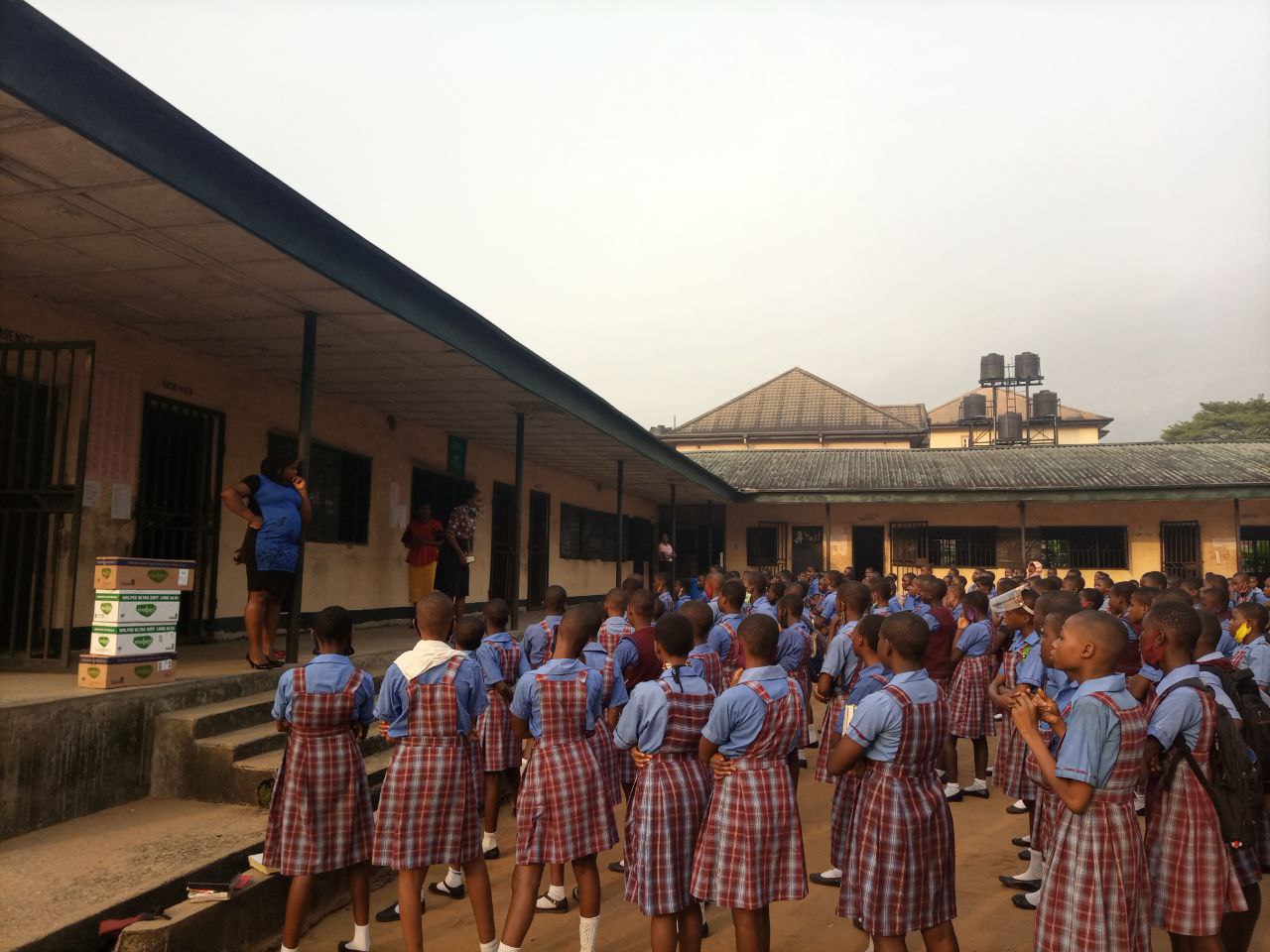
Across Africa today, millions of adolescent girls continue to face challenges that threaten their health, dignity, confidence, and academic success. Among these barriers, period poverty remains one of the most overlooked yet deeply impactful issues affecting young girls. Lack of access to sanitary pads, poor menstrual hygiene knowledge, harmful cultural myths, and inadequate WASH facilities create a cycle that keeps girls out of school and away from opportunities.
RedHelp Africa
At RedHelp Africa, we believe menstrual hygiene is not just a personal issue—it is a public health, education, and human rights issue. Through our Menstrual Hygiene Management (MHM) outreach programs, we work to restore dignity, build knowledge, and empower girls to reach their full potential.
This expanded article explores the root causes of period poverty, how menstrual hygiene education is driving transformational change, and the work RedHelp Africa is doing across African communities to eliminate the barriers associated with menstruation.
Period Poverty in Africa
Period poverty refers to the lack of access to menstrual products, safe sanitation facilities, hygienic spaces for managing menstruation, and education about menstrual health. In Africa, the issue is widespread, affecting girls in rural areas, urban-poor communities, conflict zones, and even middle-class families.
1.1. The Scope of the Problem
Millions of girls miss school every month due to their periods.
Many use unsafe alternatives like old cloth, tissue, rags, or nothing at all.
Cultural stigma and misinformation make girls feel ashamed, isolated, and afraid to ask for help.
Schools often lack gender-sensitive WASH facilities that provide privacy and safety.
Studies show that girls who consistently miss school because of their menstruation are more likely to fall behind academically and eventually drop out.
Period poverty is not just a lack of products—it is a lack of:
dignity
confidence
knowledge
health
opportunity
RedHelp Africa is committed to ensuring that no girl in Africa misses school or loses dignity because of her period. Through our RedPush outreach and community programs, we continue to empower thousands of girls with the knowledge, support, and resources needed to build a bright future filled with dignity and opportunity.
Jackson kalle Tweet
2. Why Menstrual Hygiene Education Matters
Menstrual Hygiene Management (MHM) is more than distributing pads. It involves educating girls about:
the menstrual cycle
hygiene practices
bodily changes during puberty
reproductive health
debunking harmful myths
building self-confidence
engaging boys and fathers to break stigma
A girl who understands her body feels more prepared, confident, and empowered.
2.1. The Role of MHM in Academic Success
When schools provide menstrual hygiene training and pads:
absenteeism decreases
participation improves
girls become more engaged
academic performance increases
Research across sub-Saharan Africa links improved menstrual hygiene practices with better school retention and higher test scores.
3. Breaking Cultural Myths and Stigma
In many African communities, menstruation is surrounded by harmful myths:
Girls are considered “unclean” or “cursed” during their periods.
Menstrual blood is believed to weaken spiritual power.
Girls are discouraged from cooking, praying, or participating in cultural rituals.
Mothers pass down inaccurate beliefs due to lack of proper education.
RedHelp Africa works with community leaders, religious groups, parents, and boys to break these misconceptions and normalize menstrual health conversations.
3.1. Why Engaging Boys and Men Matters
Ending period poverty is not a “women’s issue”—it is a community issue.
When boys understand menstrual health:
teasing decreases
stigma reduces
girls feel safer in school
communities become more supportive
This inclusive approach forms the foundation of our RedPush outreach strategy.
4. The Impact of Sanitary Pad Distribution
A single sanitary pad distribution can change:
a girl’s confidence
her ability to attend class
her comfort
her health
her dignity
Through the RedPush initiative, RedHelp Africa donates sanitary pads to girls in underserved schools. These donations are often life-changing for students who previously relied on unsafe improvisations.
4.1. Pads Are Not Just Products—They Are Protection
Sanitary pads:
prevent infections
reduce distractions in class
allow girls to participate in school sports
help girls feel comfortable leaving home
reduce social anxiety
Every pad distributed is a step toward equity.
5. RedHelp Africa’s Approach to MHM Outreach
Our model combines:
Education — accurate, age-appropriate menstrual health training.
Distribution — free sanitary pads for girls in need.
Digital Health Literacy — helping youth access safe health information online.
WASH Support — advocating for clean, safe sanitation spaces.
Community Engagement — involving parents, teachers, boys, and leaders.
This holistic approach ensures long-term change, not temporary relief.
6. Field Stories That Inspire Change
6.1. Bauchi State – Azare Outreach
On March 8, 2021, RedHelp Africa donated 30 sanitary pads to Government Girls Senior Secondary School in Azare. For many of these girls, it was the first time they learned proper menstrual hygiene practices. The confidence in their faces was evident as they realized they were not alone and had support from their community.
6.2. Yobe State – Nguru Outreach
Led by Project Lead Jamilu Mohamed, RedHelp Africa’s outreach in Nguru transformed the school environment. The girls expressed relief and gratitude, stating how access to pads would help them stay in school without fear or embarrassment.
6.3. Rivers State – Port Harcourt Outreach
With 100 sanitary pads donated and a detailed MHM session, the Port Harcourt outreach empowered students with knowledge about menstrual cycles, hygiene, and debunking myths.
These stories reflect thousands of similar lives touched through RedHelp Africa’s dedication.
7. How WASH Facilities Support Menstrual Hygiene
Menstrual hygiene is impossible without:
clean toilets
water for washing
doors that lock
disposal bins
soap
privacy
RedHelp Africa advocates for constructing and rehabilitating gender-sensitive WASH facilities in schools. These facilities become safe havens where girls feel comfortable managing their periods.
8. The Role of Digital Health Literacy
Girls and young people today consume information online—but much of it can be misleading or harmful. Digital health literacy trains youth to:
identify credible sources
avoid misinformation
understand basic health topics
use digital tools responsibly
This empowers them to make informed decisions about their wellbeing.
9. How Period Poverty Affects Long-Term Life Outcomes
A girl who drops out of school due to menstruation faces long-term consequences:
early marriage
limited job opportunities
reduced income
increased health risks
loss of self-esteem
Ending period poverty offers ripple effects that impact:
families
communities
economies
future generations
10. How You Can Help End Period Poverty
Anyone can be part of the solution:
Donate sanitary pads or fund outreach projects
Volunteer with RedHelp Africa
Partner with schools or corporate sponsors
Advocate for tax-free sanitary products
Sponsor a girl or a school
Every action counts.
Conclusion
Period poverty is a solvable problem. With proper education, affordable products, supportive communities, and modern WASH facilities, girls can thrive academically and personally.